AI for transport and logistics: a practical guide for haulage firms and courier companies
AI for transport and logistics is about automating the things that take time: route planning, order intake, customer notifications, freight documents and invoicing. You start small and concrete, on top of the systems you already have, such as TA systems and Fortnox, and build on where it delivers clear value.
Quick overview
In short: AI for haulage firms and courier companies automates route planning, order intake from email and phone, tracking and customer notifications via GPS and telematics, the handling of freight documents as well as incidents and invoicing.
How to get started:
- Map where time goes and where errors occur, often in order intake or invoicing documentation.
- Choose a well-defined first step with clear value.
- Connect it to the TA system, the order system and the accounting system, often Fortnox, and build on one area at a time.
Impact: Planners and drivers free up time – an order that comes in once follows all the way through to the invoice without a system change.
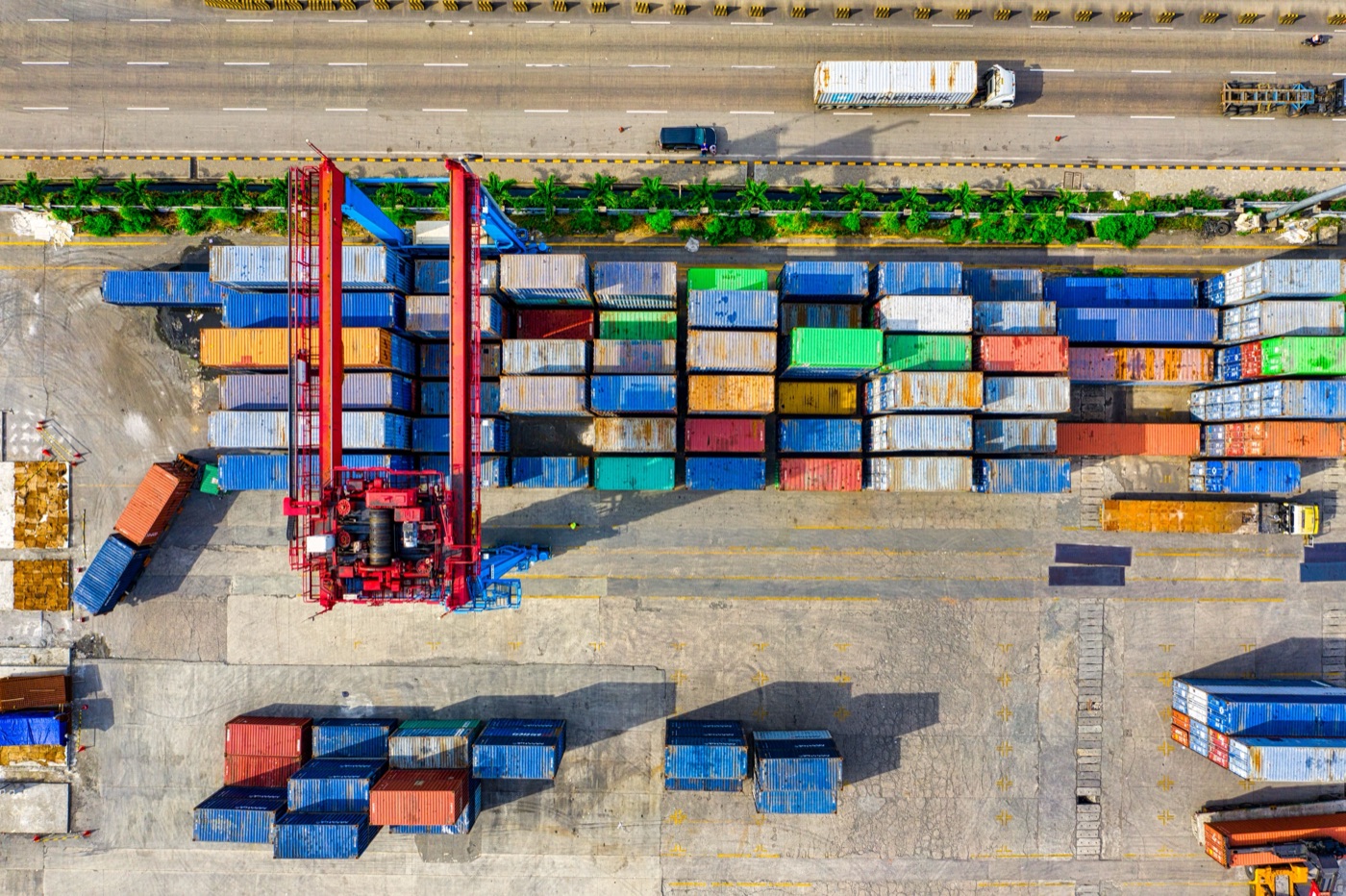
What can AI do for a haulage firm?
A haulage firm or courier company spends a lot of time on administration that is not visible in the truck: receiving orders via email and phone, planning routes, notifying customers, searching for the right consignment note and reconciling documentation ahead of invoicing. AI and automation take over the repetitive steps so that planners and drivers can focus on the transport. The point is not to replace your systems, but to add a layer on top of the TA system, the order system and the accounting system so that information flows without manual handling.
The first step is usually small: a well-defined task, for example automatically reading in incoming transport orders or sending notifications when goods are on their way. Once it works, you build on from there, one area at a time.
How does AI help with route planning?
Route planning is about bringing together the right goods, the right vehicle and the right order of stops. AI can suggest a running order based on delivery windows, vehicle capacity, driving time and where the vehicles already are according to GPS and telematics. The planner retains control and approves the suggestions, but avoids doing the manual puzzle in Excel.
- Suggestions for a running order that takes time windows and load weight into account.
- Replanning when an order is added or a stop drops out.
- Documentation to compare planned and actual driving.
The result is steadier days, fewer empty miles and planning that can be repeated even when the regular planner is off sick.
Can AI receive bookings and orders?
Yes. A large share of incoming transport orders arrive as free text in emails or via phone. AI can read an email, extract addresses, goods, packages, weight and desired delivery time and enter it as a structured order in the order system or the TA system. Unclear orders are flagged for a human instead of turning into errors further down the line.
For recurring customers, bookings can be made via a simple form or a customer portal, where the details are validated immediately so that the planner receives complete orders from the start.
How does tracking and customer notification work?
With data from GPS and telematics you know where the goods are. The automation can then send notifications to the recipient at the right moment, for example when the vehicle is on its way, when delivery takes place within a certain time frame or if something is running late. This reduces the number of "where are my goods?" calls and raises the perceived level of service.
Examples of notifications
- Confirmation when the order has been received and scheduled.
- Notification with a time window on the day of delivery.
- Alert on delay with a new estimated time.
What does AI do with freight documents and documentation?
Consignment notes, CMR documents, receipts and delivery confirmations are often what is missing when the invoice is to be sent. AI can read scanned or photographed documents, link them to the right order and gather the documentation in one place. The driver photographs the delivery confirmation on their phone and the system does the rest.
This means the documentation is complete and searchable, which makes both invoicing and any complaints easier to handle.
How do you handle incidents and invoicing?
Incidents are waiting time, extra stops, changed addresses or damaged goods, in other words the sort of thing that affects both delivery and price. The automation can capture incidents early, gather documentation and make sure nothing invoiceable falls through the cracks.
| Task | Manual today | With automation |
|---|---|---|
| Register incident | Note on paper or from memory | Reported directly from the phone with a photo |
| Link to order | Found afterwards | Linked automatically to the right assignment |
| Invoicing documentation | Compiled manually | Sent in a structured form to Fortnox |
| Follow-up | Hard to keep track of | A gathered overview of open cases |
Once the documentation is structured, invoicing can take place continuously against the accounting system, for example Fortnox, with fewer manual steps and less risk of lost revenue.
Where does a smaller transport company start?
Start where it hurts the most and takes the most time. For many, that is order intake or invoicing documentation. Choose a well-defined area, connect it to existing systems and measure the impact before you move on.
- Map where time goes today and where errors occur.
- Choose a first, concrete step with clear value.
- Connect it to the TA system, order system or Fortnox.
- Evaluate and build on, one area at a time.
Which systems are connected?
Automation only becomes useful when it talks to what you already have. In a transport company that usually means the TA system for transport administration, the order system for incoming assignments, GPS and telematics for position and the accounting system, often Fortnox, for invoicing. The AI layer ties these together so that an order that comes in once follows all the way through to the invoice without being rewritten manually.
Because the solution is built on top of your existing systems, you do not need to change platform or relearn everything from scratch. You keep what works and automate the steps in between.
Want to see what this looks like in practice? Explore our solutions, see cases and platforms we have built, or get three free suggestions.